Client Overview
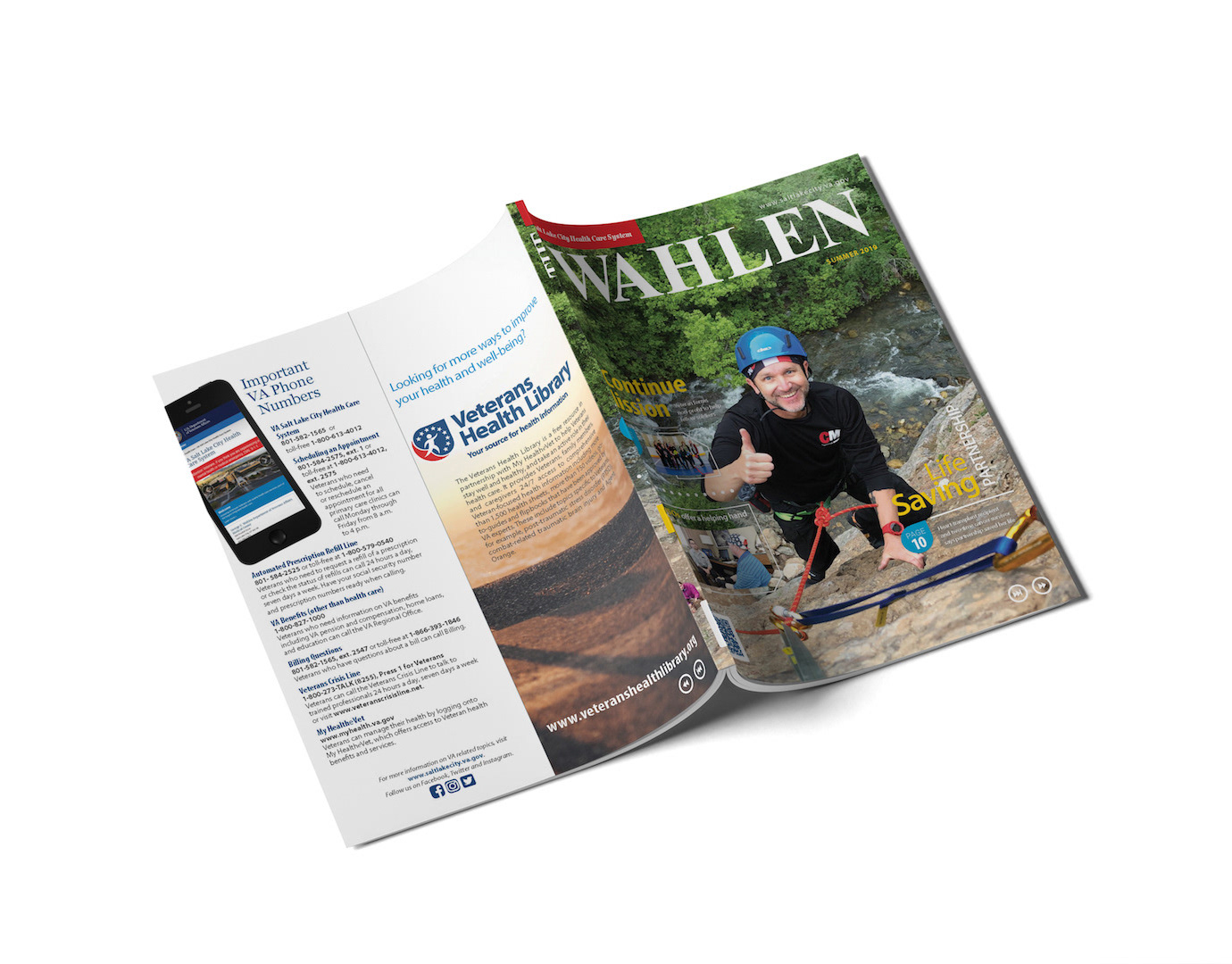
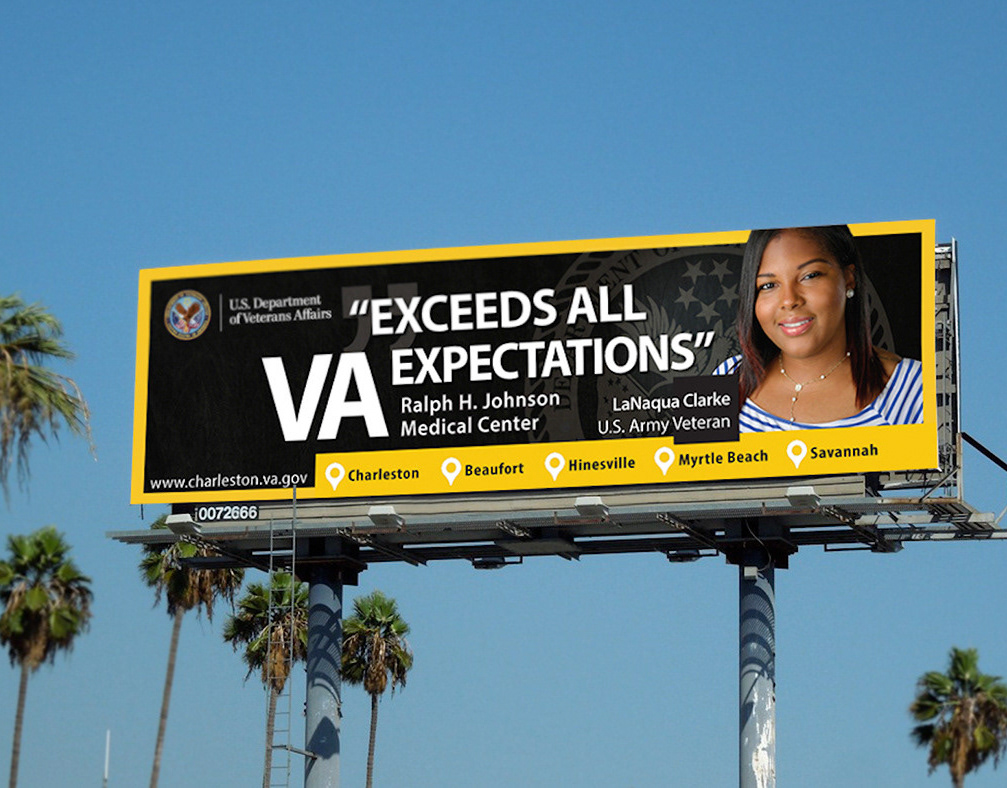
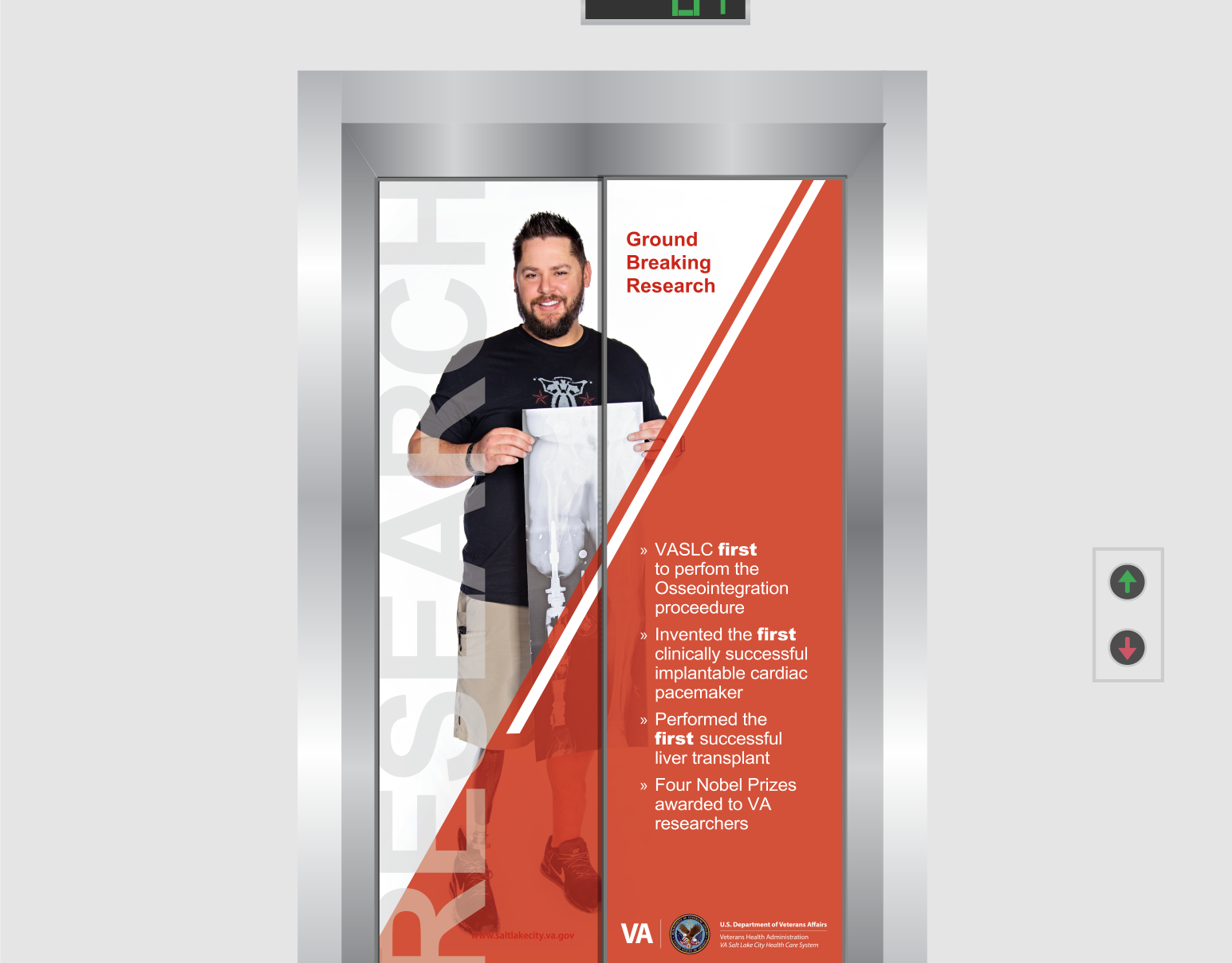
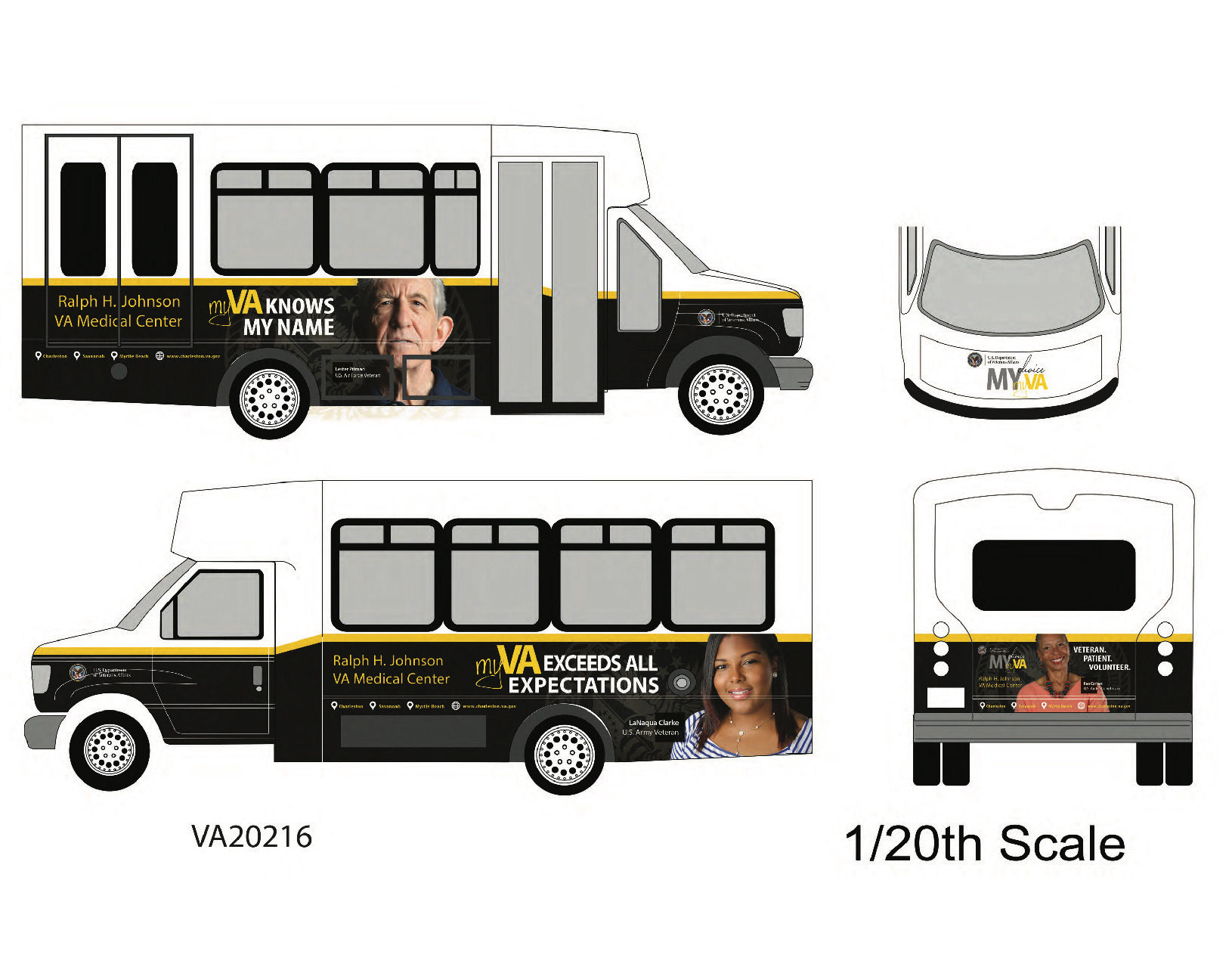
A major healthcare organization needed an improved intranet experience for staff across multiple departments. The existing intranet was difficult to navigate, visually outdated, and overloaded with unstructured content. With thousands of employees relying on it daily, the intranet needed to become a trusted hub for clarity, efficiency, and internal communication.
Client Challenge
✔ Disorganized Content Structure – Staff struggled to locate essential tools, forms, and documents due to inconsistent organization.
✔ Inefficient Navigation – Key information was buried, requiring multiple clicks or external communication to find.
✔ Outdated Interface – Visual design felt cluttered and did not reflect modern digital expectations or institutional professionalism.
✔ Inconsistent Department Pages – Each department maintained pages differently, resulting in uneven experiences and unclear information hierarchy.
✔ Lack of Trust in the System – Employees often bypassed the intranet entirely, relying instead on email chains or personal file storage.
✔ Inefficient Navigation – Key information was buried, requiring multiple clicks or external communication to find.
✔ Outdated Interface – Visual design felt cluttered and did not reflect modern digital expectations or institutional professionalism.
✔ Inconsistent Department Pages – Each department maintained pages differently, resulting in uneven experiences and unclear information hierarchy.
✔ Lack of Trust in the System – Employees often bypassed the intranet entirely, relying instead on email chains or personal file storage.
Project Goals
1. Improve usability through a clearer, more intuitive navigation system
2. Modernize the visual interface while maintaining brand alignment
3. Support faster access to frequently used resources and tools
4. Establish a scalable, modular template system for department pages
5. Enhance the overall communication flow across the organization
2. Modernize the visual interface while maintaining brand alignment
3. Support faster access to frequently used resources and tools
4. Establish a scalable, modular template system for department pages
5. Enhance the overall communication flow across the organization
My Role
✔ UX strategy and information architecture development
✔ Wireframing and user flow refinement
✔ High-fidelity UI design and layout system creation
✔ Development of reusable content modules and templates
✔ Creation of visual guidelines for consistency across pages
✔ Preparing design assets for handoff to the development team
✔ Wireframing and user flow refinement
✔ High-fidelity UI design and layout system creation
✔ Development of reusable content modules and templates
✔ Creation of visual guidelines for consistency across pages
✔ Preparing design assets for handoff to the development team
Solution
A modernized intranet experience built on clarity, structure, and streamlined communication.
Design Strategy Highlights
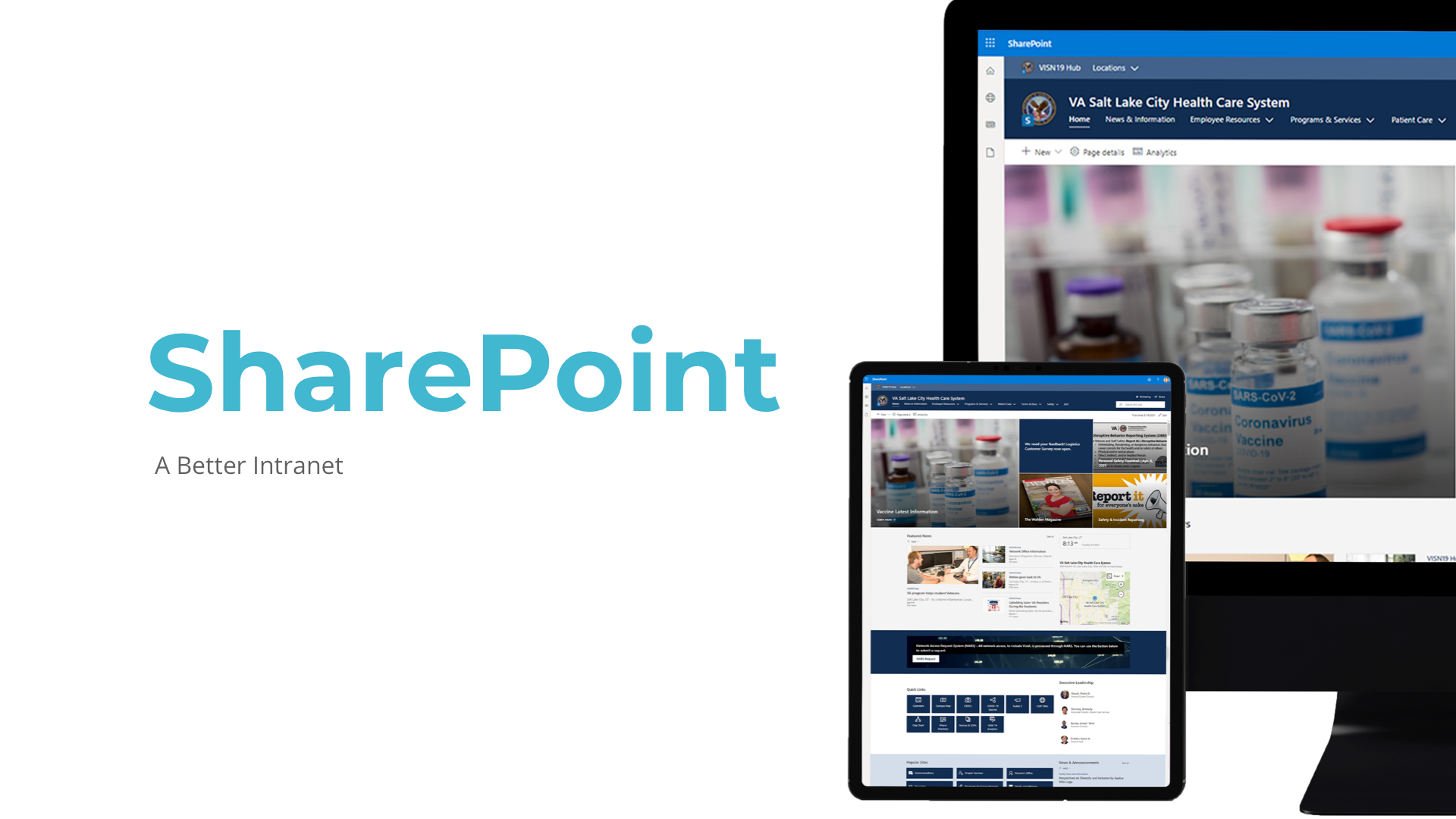
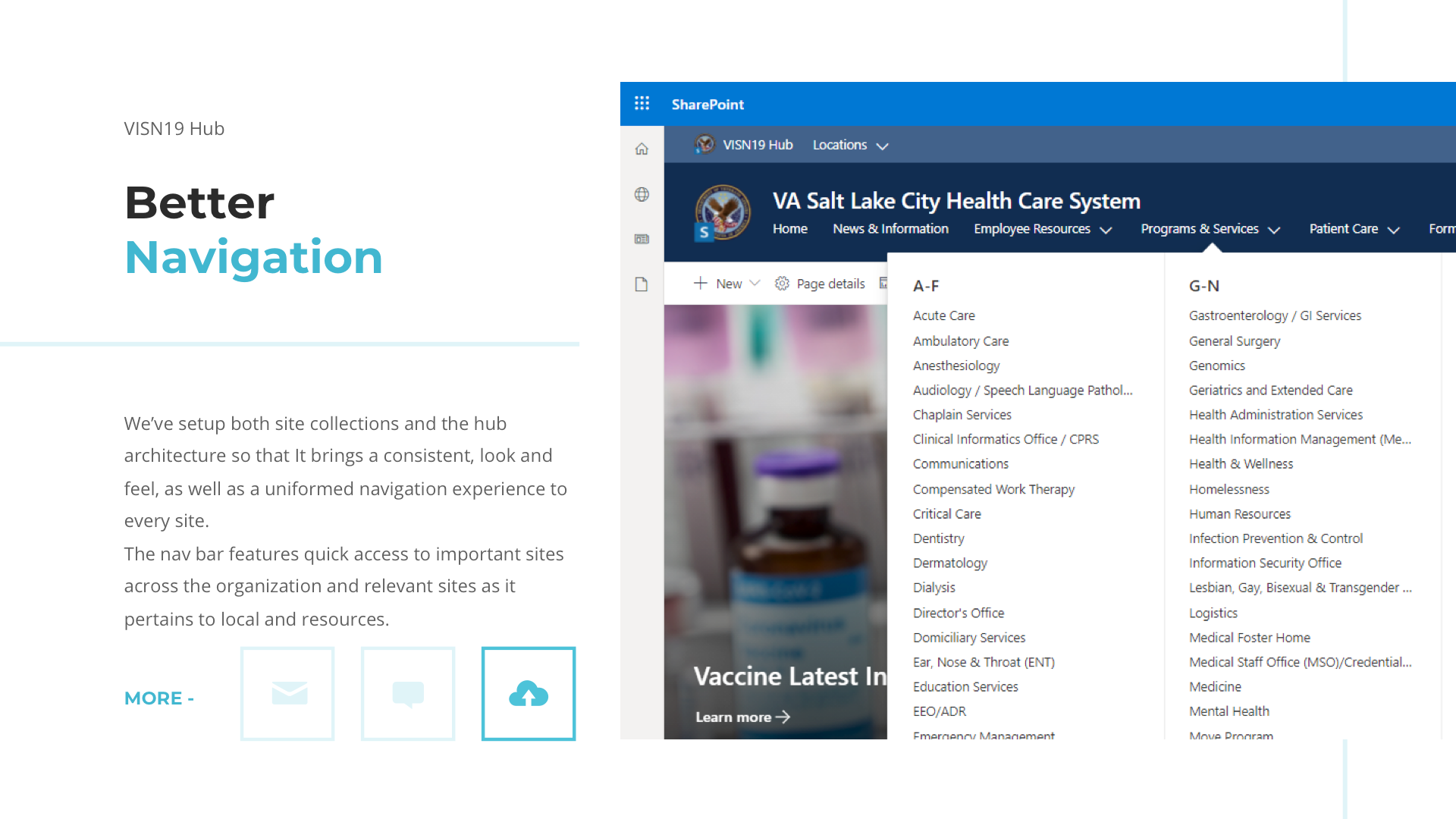
✔ Reorganized Information Architecture – Content was restructured around real user needs, ensuring essential resources such as forms, policies, news, and department tools were easy to locate.
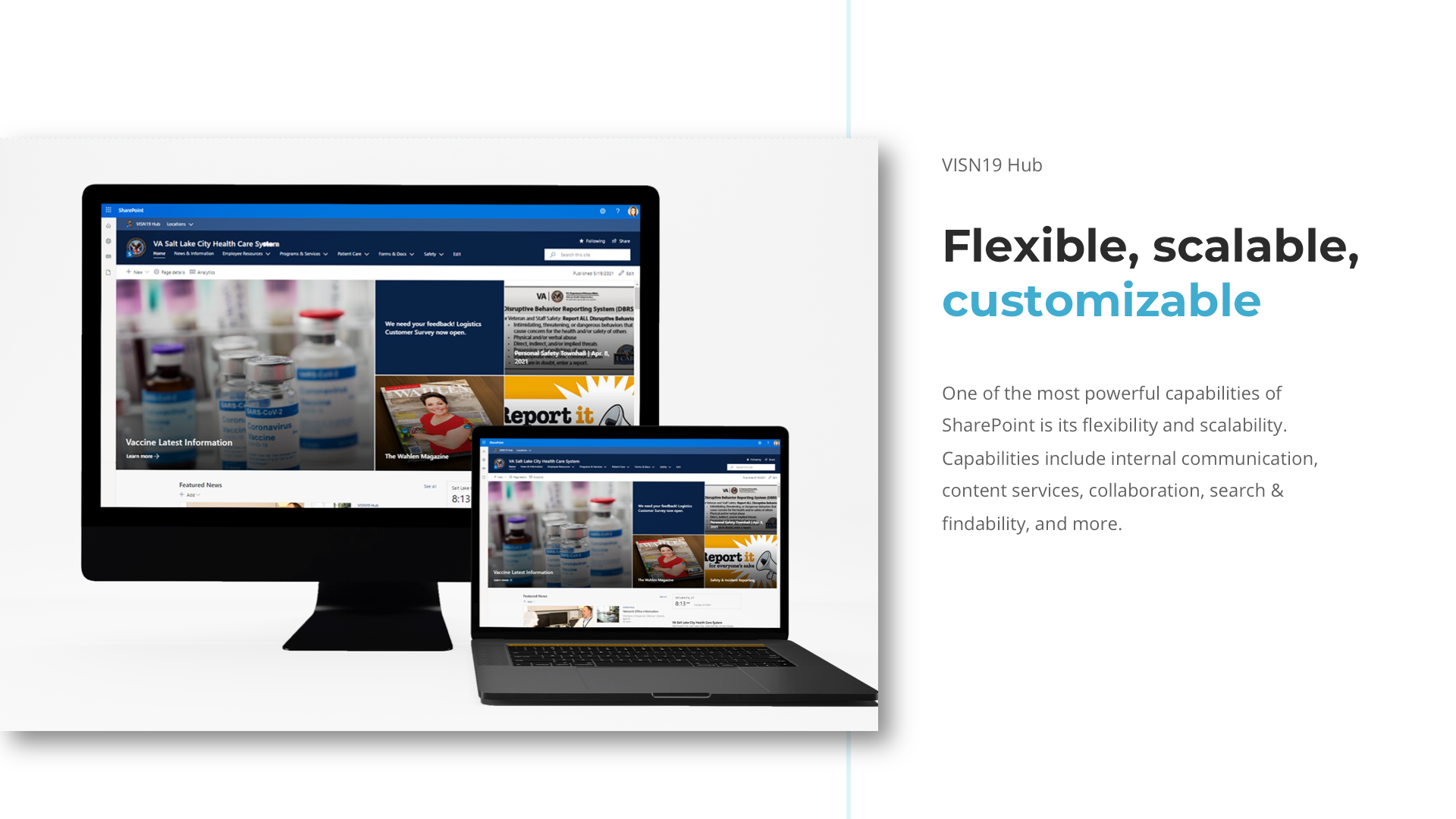
✔ Clean, Modern Layouts – A refined grid system, increased whitespace, and a stronger typographic hierarchy created a more readable, visually balanced intranet experience.
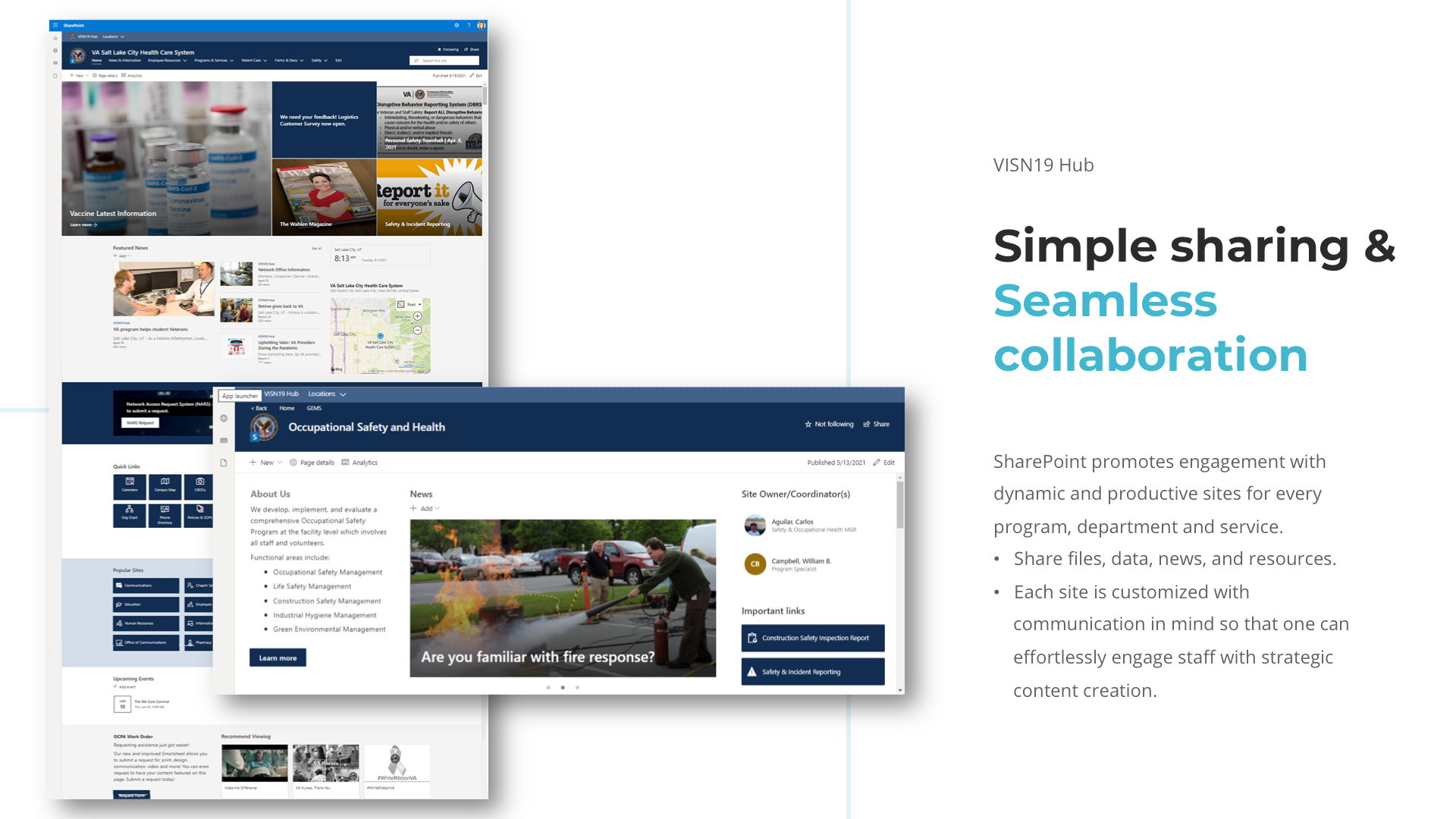
✔ Modular Template System – Reusable page components and layout templates were designed to support consistency across departments while allowing content owners to update pages with minimal effort.
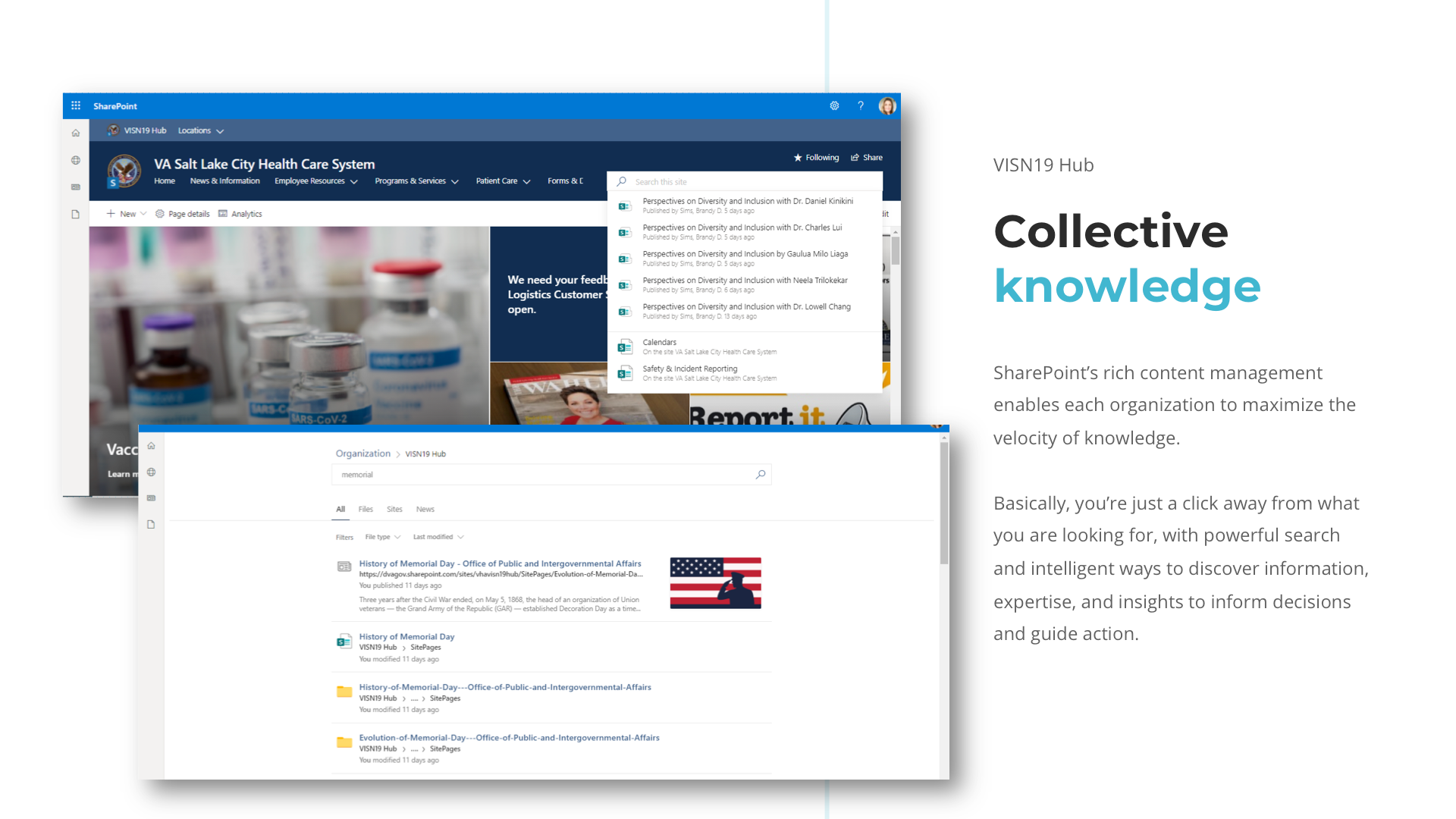
✔ Prominent Search & Quick Links – High-priority tasks were elevated visually, reducing time spent searching for essential tools and improving employee efficiency.
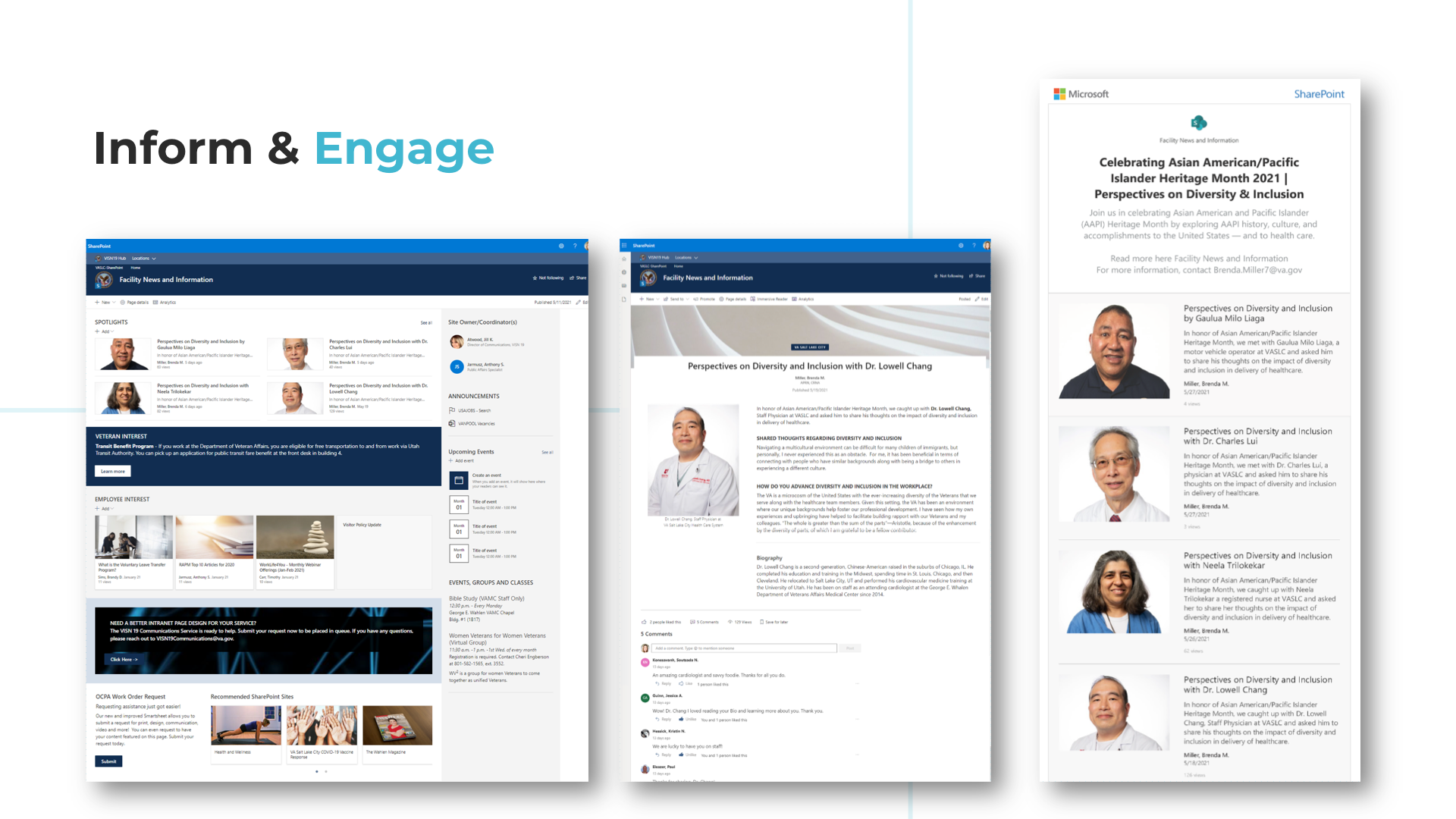
✔ Visual Cues & Color Coding – Purposeful use of color, icons, and section markers helped users scan content quickly and distinguish between categories of information.
✔ Brand-Aligned Modernization – The updated visual system reflects institutional branding standards while introducing a more contemporary look and improved usability across all devices.
Impact
✔ Increased employee confidence in using the intranet as a primary resource
✔ Crowd-sourcing content prevented bottleneck of information
✔ Faster access to commonly used tools and documents
✔ Improved navigation flow and content discoverability
✔ Consistent, professional department pages built from modular templates
✔ A sustainable UX foundation adaptable for future organizational needs
✔ Faster access to commonly used tools and documents
✔ Improved navigation flow and content discoverability
✔ Consistent, professional department pages built from modular templates
✔ A sustainable UX foundation adaptable for future organizational needs
Although internal analytics were not publicly shared, stakeholder feedback confirmed notable improvements in clarity, usability, and trust in the system.
Select Deliverables
✔ Information architecture map
✔ UX wireframes for homepage and secondary pages
✔ High-fidelity UI layouts and component design
✔ Department page templates and modular system
✔ Style guide with typography, color, and spacing rules
✔ Developer handoff package with specifications
✔ UX wireframes for homepage and secondary pages
✔ High-fidelity UI layouts and component design
✔ Department page templates and modular system
✔ Style guide with typography, color, and spacing rules
✔ Developer handoff package with specifications