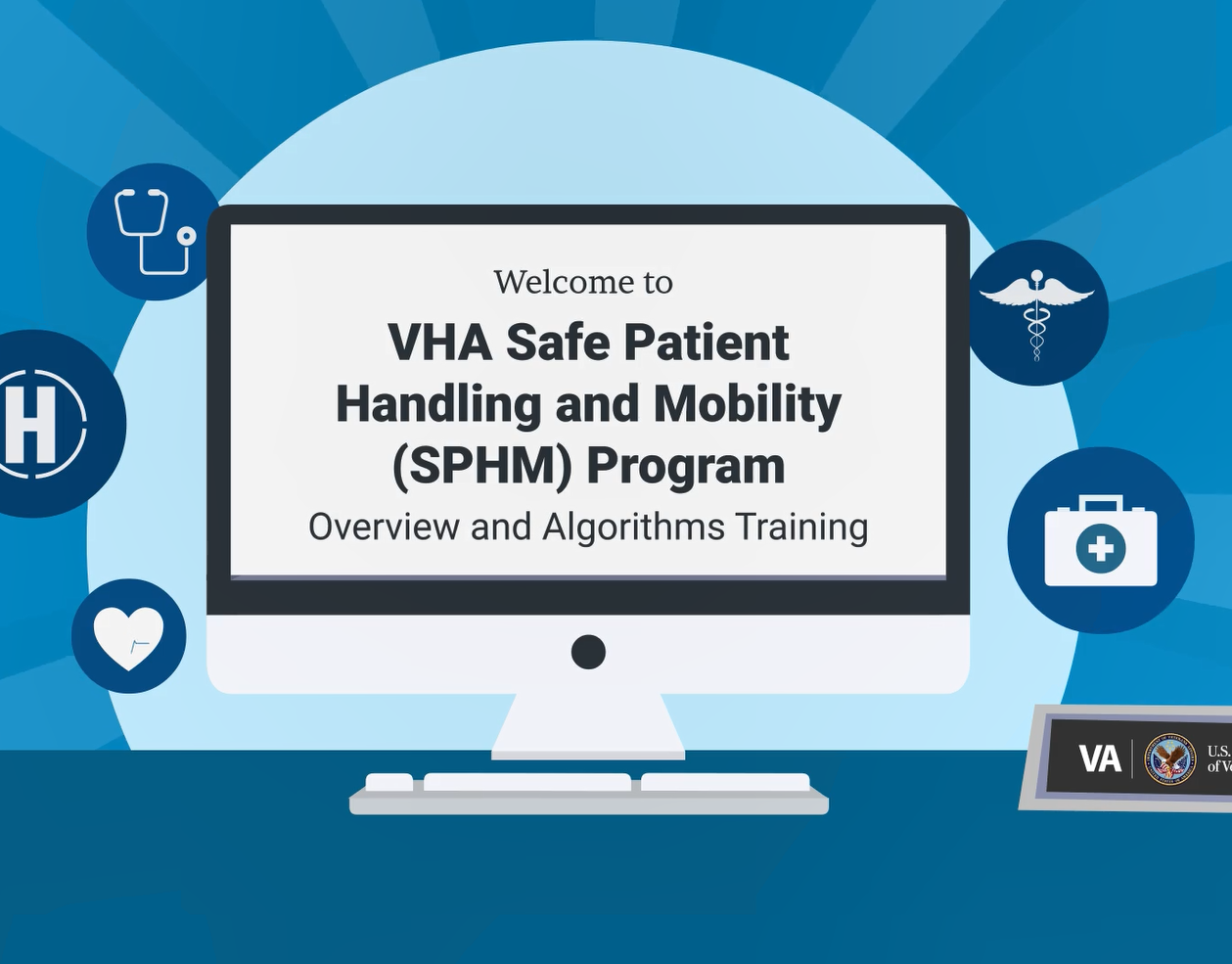
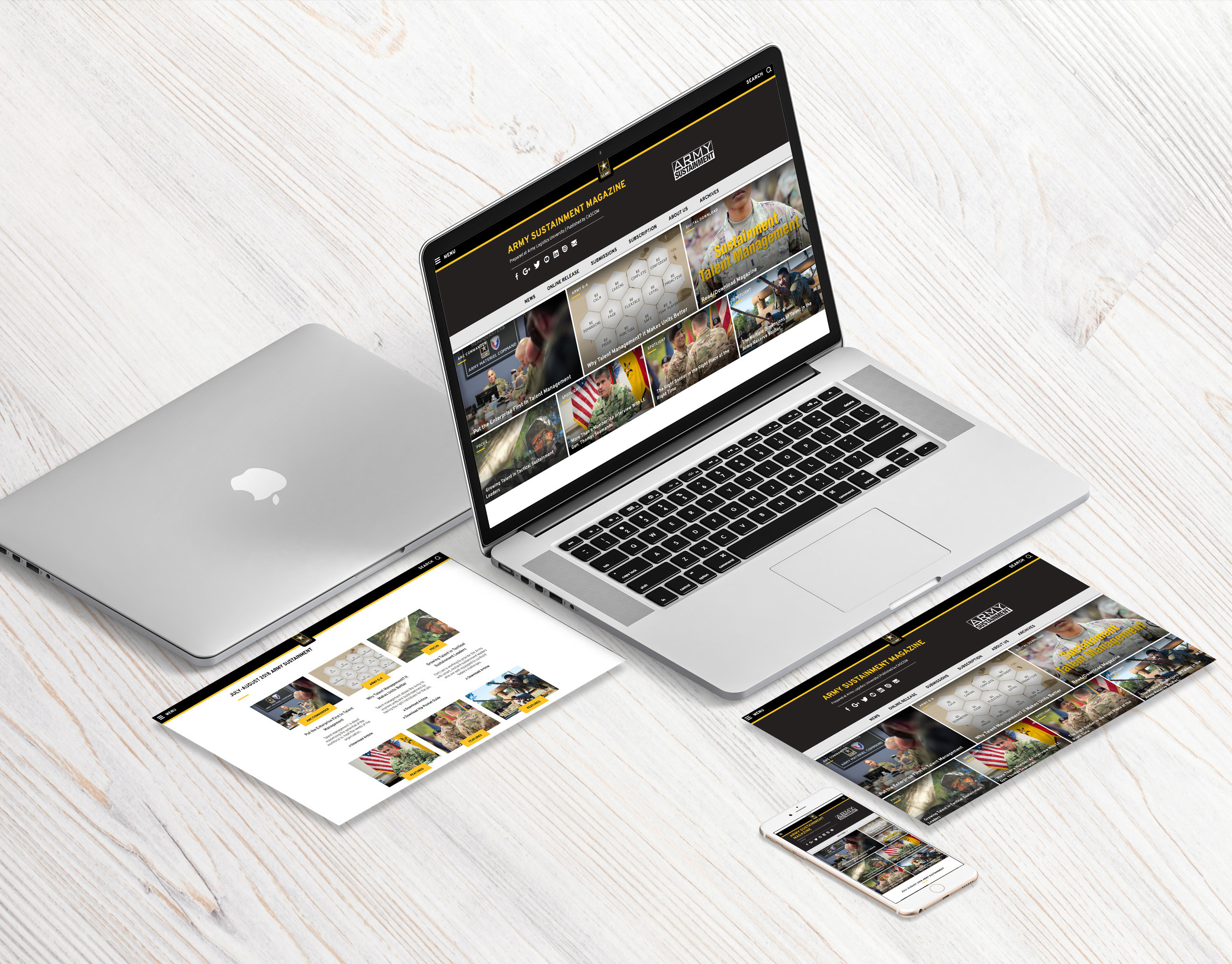
This project explores a framework-based approach to validating learner comprehension in healthcare and education—ensuring training outcomes extend beyond completion into real-world application.
Project Overview
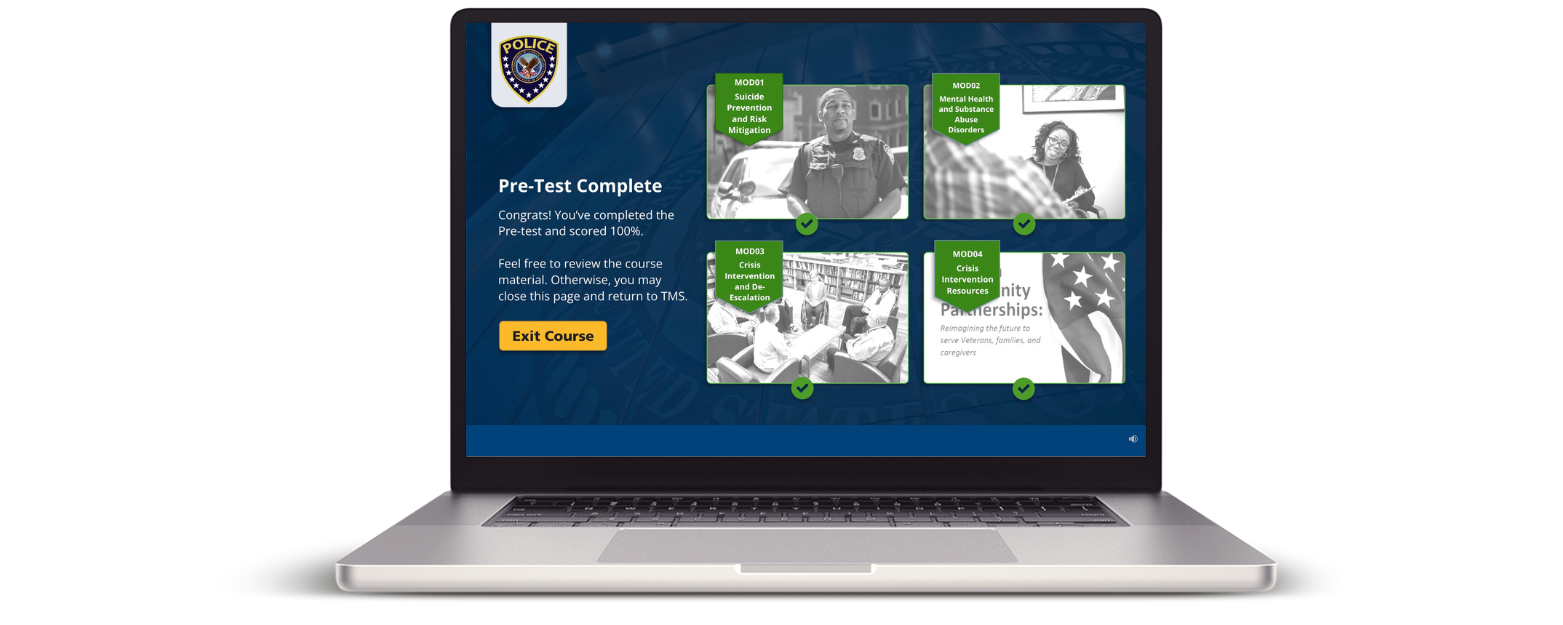
This project involved the development of a framework-based eLearning course designed to validate learner understanding—not just content completion. The goal was to create a scalable learning structure that ensures learners can interpret, apply, and retain information in high-stakes environments such as healthcare and education.
Rather than focusing solely on information delivery, this framework emphasizes knowledge validation, learner accountability, and real-world application.
Client Challenge
✔ Completion ≠ Comprehension – Traditional courses often track completion without verifying true understanding.
✔ Inconsistent Assessment Methods – Learning outcomes varied due to a lack of structured validation.
✔ High-Stakes Content – Learners needed to demonstrate knowledge accuracy, not just exposure.
✔ Scalability Needs – The framework had to work across multiple learning topics and audiences.
✔ Engagement Gaps – Passive learning experiences reduced retention and confidence.
✔ Inconsistent Assessment Methods – Learning outcomes varied due to a lack of structured validation.
✔ High-Stakes Content – Learners needed to demonstrate knowledge accuracy, not just exposure.
✔ Scalability Needs – The framework had to work across multiple learning topics and audiences.
✔ Engagement Gaps – Passive learning experiences reduced retention and confidence.

Project Goals
1️⃣ Design a structured framework that validates learner understanding at multiple stages.
2️⃣ Shift learning from passive to active engagement, reinforcing comprehension.
3️⃣ Support measurable outcomes beyond course completion.
4️⃣ Create a reusable, scalable model applicable across healthcare and education.
5️⃣ Balance instructional rigor with clear, accessible design.
2️⃣ Shift learning from passive to active engagement, reinforcing comprehension.
3️⃣ Support measurable outcomes beyond course completion.
4️⃣ Create a reusable, scalable model applicable across healthcare and education.
5️⃣ Balance instructional rigor with clear, accessible design.

My Role
✔ Instructional design and learning strategy
✔ Framework development and course structure
✔ Content organization and sequencing
✔ Assessment logic and validation checkpoints
✔ Visual layout and learner experience design
✔ Alignment with adult learning principles
✔ Framework development and course structure
✔ Content organization and sequencing
✔ Assessment logic and validation checkpoints
✔ Visual layout and learner experience design
✔ Alignment with adult learning principles
Solution — A Knowledge Validation Framework
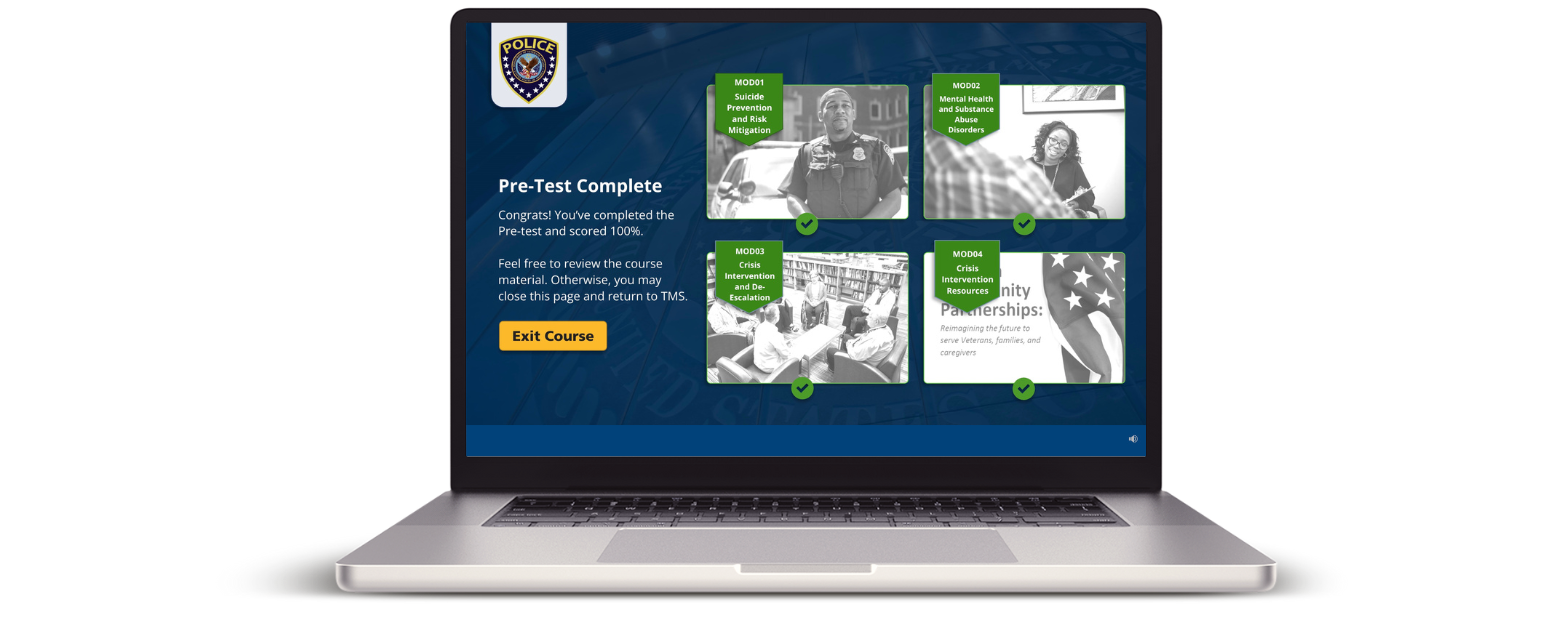
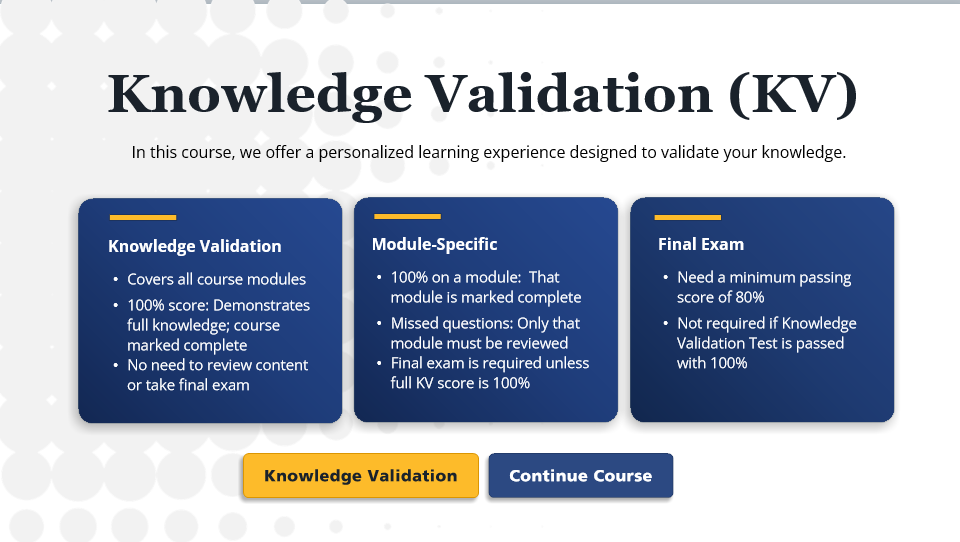
I designed a course framework centered on validating understanding, not just delivering content. The structure guides learners through intentional checkpoints that reinforce comprehension, reflection, and application.
Design & Learning Strategy Highlights
✔ Framework-Driven Learning Model – A repeatable structure that ensures consistent validation of knowledge across topics.
✔ Active Knowledge Checks – Strategic validation points encourage learners to demonstrate understanding before progressing.
✔ Scaffolded Learning Flow – Content builds logically, reinforcing prior knowledge and supporting retention.
✔ Clear Cognitive Pathways – Visual and structural cues guide learners through complex information with clarity.
✔ Adaptable Use Cases – The framework can be applied to onboarding, compliance, continuing education, and academic learning.
✔ Learner-Centered Design – Focused on clarity, accessibility, and engagement rather than content overload.
Impact
✔ Improved clarity around learner comprehension
✔ Stronger alignment between learning objectives and assessment
✔ Reduced reliance on completion-only metrics
✔ Increased learner engagement through active validation
✔ A scalable framework suitable for multiple disciplines
✔ Stronger alignment between learning objectives and assessment
✔ Reduced reliance on completion-only metrics
✔ Increased learner engagement through active validation
✔ A scalable framework suitable for multiple disciplines
This framework provides organizations with a more reliable method of confirming understanding, particularly valuable in healthcare and education environments where accuracy matters.
Select Deliverables
1️⃣ Knowledge Validation Framework – Structured learning model with validation checkpoints.
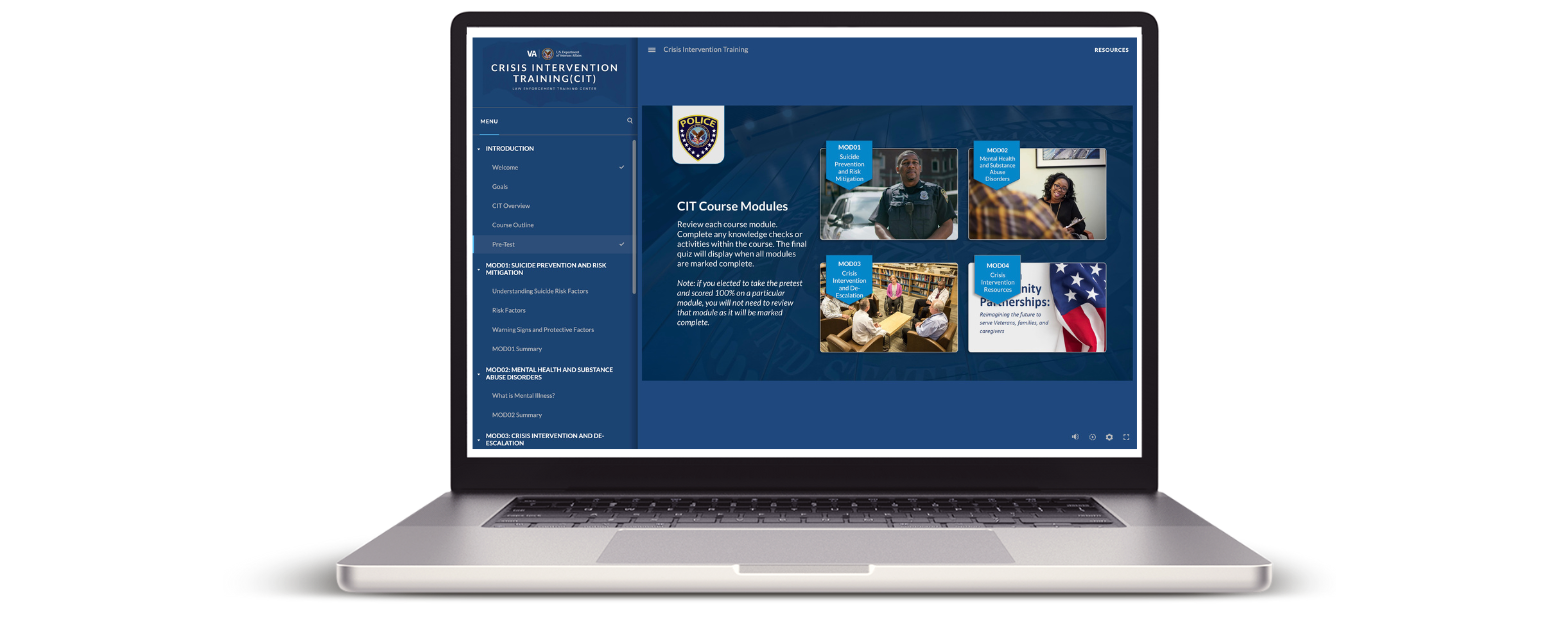
2️⃣ Course Architecture – Defined learning flow and modular structure.
3️⃣ Assessment Strategy – Embedded knowledge checks aligned to objectives.
4️⃣ Visual Learning Layouts – Clean, accessible design supporting comprehension.
5️⃣ Reusable Framework Scorm Packages and Documentation – Adaptable for future learning programs.
2️⃣ Course Architecture – Defined learning flow and modular structure.
3️⃣ Assessment Strategy – Embedded knowledge checks aligned to objectives.
4️⃣ Visual Learning Layouts – Clean, accessible design supporting comprehension.
5️⃣ Reusable Framework Scorm Packages and Documentation – Adaptable for future learning programs.
Applications
✔ Healthcare onboarding and compliance training
✔ Clinical and professional skills validation
✔ Academic assessment frameworks
✔ Continuing education programs
✔ Internal training and certification pathways
✔ Clinical and professional skills validation
✔ Academic assessment frameworks
✔ Continuing education programs
✔ Internal training and certification pathways
Project Summary
This project demonstrates a strategic approach to instructional design—shifting learning from content delivery to knowledge validation. The framework supports measurable understanding, scalability, and engagement, making it ideal for healthcare and education organizations seeking more meaningful learning outcomes.
This project serves as a blueprint for an optimized eLearning experience. By leveraging instructional design best practices, scenario-based learning, and data-driven decision-making, it outlines a scalable and efficient approach to validating knowledge while reducing unnecessary training time.